
ITIL® – Foundation Certification Training
Categories
IT Service And Architecture
$99 – $999Price range: $99 through $999
$99
-
LevelIntermediate
-
Duration16 hours
-
Last UpdatedJanuary 15, 2026
Hi, Welcome back!
Pre-Requisites
- No prior ITIL certification is required
- Basic understanding of IT concepts is helpful but not mandatory
- Laptop or desktop with stable internet access for online sessions
- Attend all training sessions to receive the exam voucher
- Exam voucher will be shared after course completion
- Certification can be downloaded from the AXELOS / PeopleCert portal
- For rescheduling or cancellation, contact
Who Should Enroll
- This course is ideal for:
- IT professionals and IT support staff
- Service desk and operations team members
- IT service managers and team leads
- Business analysts and process managers
- Fresh graduates starting a career in IT
- Professionals preparing for advanced ITIL certifications
Courseware Includes
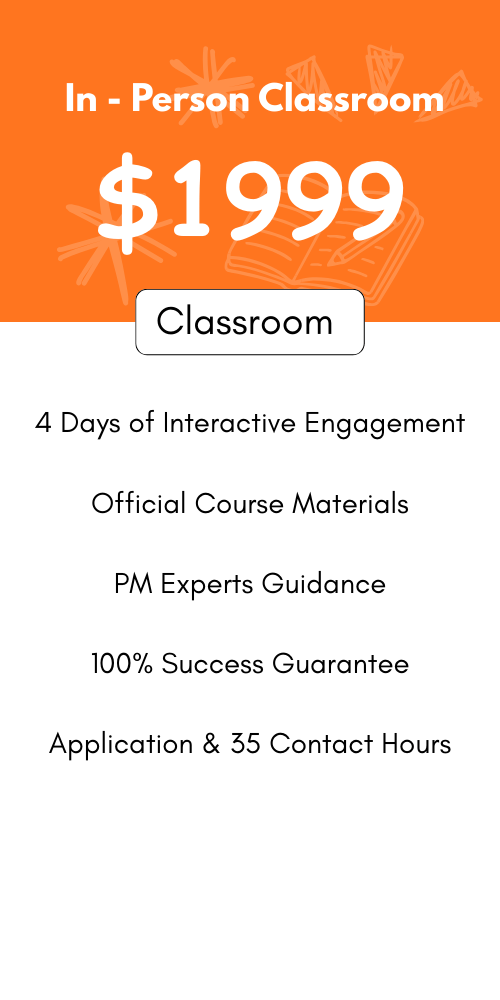
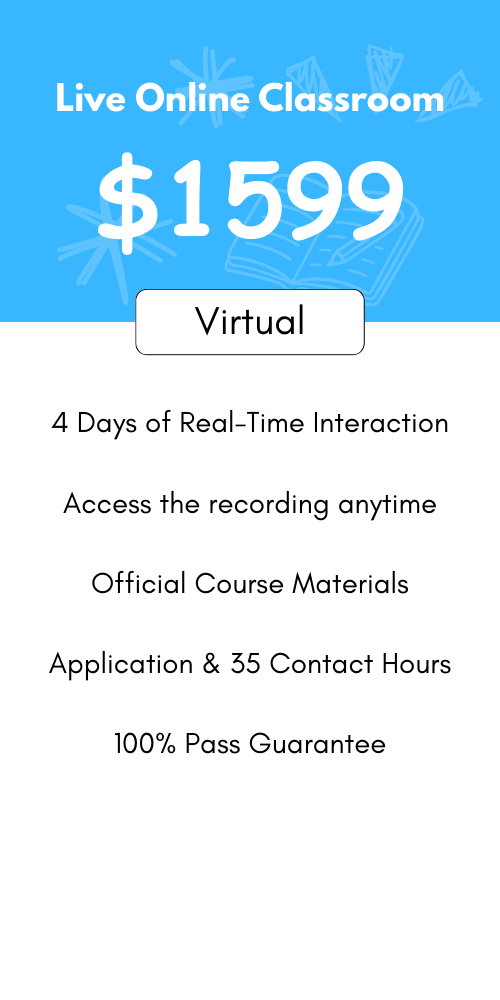
- 2 days (16 hours) of instructor-led classroom or live online training
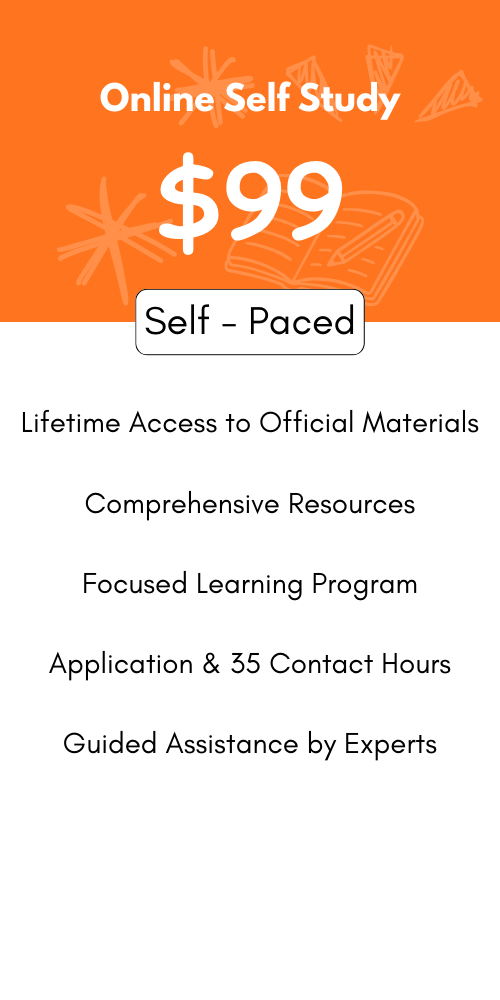
- Lifetime access to ITIL Foundation courseware
- Chapter-end quizzes and real-life industry case studies
- ITIL Foundation exam practice simulations
- Official ITIL Foundation exam voucher (valid for 12 months)
- 16 PDU / contact hours certificate
- Course completion certificate from Certification Guide Inc.
Description
The ITIL® Foundation Certification Training by Certification Guide Inc. is designed to help professionals build a strong foundation in IT Service Management (ITSM) using the globally recognized ITIL framework. This course follows the latest ITIL 4 principles and focuses on aligning IT services with business goals to deliver value efficiently and consistently.
Through instructor-led training, real-world examples, and exam-focused preparation, you will gain a clear understanding of ITIL concepts such as the Service Value System, service lifecycle, key ITIL practices, and continual service improvement. The training emphasizes practical knowledge that can be applied immediately in real IT environments.
Whether you are new to IT service management or looking to formalize your experience with a recognized certification, this course prepares you to confidently pass the ITIL Foundation exam on your first attempt. Upon completion, you will be equipped to improve service quality, reduce costs, and enhance collaboration between IT and business teams.
FAQs
Does the course fee include the examination fee as well ?
The exam fee is included in the ITIL® V3 Foundation course fee. You will receive an email containing our exam voucher code and instructions to take the exam online on day 2 of your course.
Will I get the ITIL-F® certificate after completing this ITIL-F® certification course ?
On completing the ITIL Foundation Training course from Certification Guide, you will get a 16 contact hours (PDU’s) certificate and the course completion certificate from Certification Guide.
Does Certification Guide offers 100% money back guarantee?
Yes, we offer 100% money back guarantee to pass the exam in first attempt on our ITIL Foundation training. CLICK HERE to know more about the money back guarantee.
How do I get my ITIL-Foundation certificate after completing the exam through AXELOS ?
You can download the soft copy of your ITIL V3 Foundation certificate from AXELOS/Peoplecert portal
How long the course materials access will be provided ?
All registered participants will receive a link to download the courseware from Dropbox. Once downloaded, you will have lifetime single-user access to the CG course material.
When will I receive the course location and the workshop details ?
Registration confirmation email and the courseware access will be shared immediately after the registration. Other details such as location, venue, timing’s. do’s and don’ts will shared 5 day prior for in-person classroom training and link to join the class, timing’s (time zone) details will be shared 24 our prior to the class.
How do I reschedule OR cancel my enrolment ?
Absolutely yes, you need to drop an email to with your request, and depending upon when you raise a refund or rescheduling request, a fee will be applicable. To learn more, please read our refund policy.
What I will learn?
- Core concepts and terminology of ITIL® and IT Service Management
- ITIL Service Value System and service lifecycle stages
- Key ITIL practices and their role in service delivery
- Relationship between IT services, processes, roles, and functions
- How to align IT services with business objectives
- Continual Service Improvement (CSI) principles and models
- Best practices to improve efficiency, quality, and customer satisfaction
- Exam-oriented knowledge to confidently clear the ITIL Foundation exam
Course Agenda
Introduction
-
The course objective
-
Overview of ITIL
-
Why ITIL is successful
-
ITIL 2011 Components
-
ITIL Core Publications
-
ITIL V3 Credit System
-
ITIL V3 Exam details
Module 01 : Principles of IT Service Management
-
IT Service Management Best Practices
-
Public and Proprietary Practices
-
Service Introduction
-
Service Management: Practices, Challenges and Benefits
-
Stakeholders in Service Management
-
Internal and External Customers and Services
-
Process: Characteristics
-
Functions Related to Service Management
-
How Process and Functions Operate
-
Roles in Service Management
-
RACI Model
-
Types of Service Providers
-
Suppliers and Legal Agreements
Module 02 : The Service Lifecycle
-
Components of Service Management Lifecycle
-
Interactions in Service Lifecycle
-
Relationship between Governance and ITSM
Module 03 : Service Strategy Stage: Introduction
-
Service Strategy: Purpose, Objective, Scope, Value for Business
-
Service Strategy Processes
-
Type of Services
-
Service Strategy: Customers and Users
Module 04 : Service Strategy Concepts
-
Service Utility and Warranty
-
Service Assets
-
Value Creation
-
Factors that Influence Customer Perception of Value
-
Business Outcome
-
Service Packages
-
Business Case and its Uses
-
Simple Business Case Structure
-
Risk
-
Service Management Technology and Automation
-
Automation Benefits
-
Service Management Tools
Module 05 : Service Strategy Processes
-
Demand Management Process – Purpose, Objective, Scope
-
Managing Demand for Services
-
Patterns of Business Activities and User Profiles
-
Service Portfolio Management-Introduction, Purpose, Objective, Scope
-
Service Portfolio- Component Diagram, Process
-
Financial Management for IT Service – Purpose, Objective, Scope, Activities, Benefits
-
Business Relationship Management – Purpose, Objective, Scope
-
BRM- External and Internal Service Providers
-
Business Relationship Manager – Responsibilities
Module 06 : Service Design Stage: Introduction
-
Service Design Purpose, Objective, Scope
-
Service Design- Value for Business
-
Roles in Service Design
Module 07 : Service Design: Key Concepts
-
Four P’s of Service Design
-
Five Major Aspects of Service Design
-
Service Design Package
Module 08 : Service Design: Processes
-
Service Catalogue Management- Purpose, Objective, Scope, Two View Structure, Three View Structure
-
Role of Service Catalogue Manager
-
Service Level Management- Purpose, Objective, Scope, Process Activities, Key Terms
-
Service Level Management- Relationship Between Service Catalogue and Agreements
-
Service Level Management – Design SLA Structure
-
Content of an SLA, Service Review
-
Service Improvement Program
-
Service Level Management vs Business Relationship Management
-
Supplier Management- Purpose, Objective, Scope
-
Supplier and Contract Management Information System
-
Supplier Management and Service Level Management
-
Role of Supplier Manager
-
Capacity Management – Purpose, Objective, Scope, Process Activity, Sub processes
-
Business Capacity Management
-
Service Capacity Management
-
Component Capacity Management
-
Capacity Management- Capacity Plan
-
Availability Management
-
Concepts related to Expanded Incident Lifecycle
-
IT Service Continuity Management
-
Information Security Management and Framework
-
IT Security Policy
-
Information Security Management
-
Design Coordination and Governance
Module 09 : Service Transition: Introduction
-
Service Transition
-
Configuration Item
-
Configuration Management System
Module 10 : Service Transition: Processes
-
Introduction to Service Transition Process
-
Transition Planning and Support
-
Change Management and Model
-
Change Advisory Board and Change Manager
-
7 R’s of Change Management
-
Change Matrix
-
Service Asset and Configuration Management
-
Configuration Baseline and Database
-
Definitive Media Library
-
CMDB and DML
-
Secure Library and Secure Stores
-
SACM – Logical Model
-
Relationship Between CMDB, CMS and SKMS
-
Release and Deployment Management Process
-
Release Policy
-
Release and Deployment Approaches
-
RDM Phases
-
Release Management
-
Knowledge Management
-
Sata-Information-Knowledge-Wisdom (DIKW)
Module 11 : Service Operation: Introduction
-
Service Operation
-
Role and Types of Communication
Module 12 : Service Operations: Processes
-
Event Management
-
Event Logging and Filtering
-
Managing Exceptional Events
-
Alerts and Incidents
-
Incident Management
-
Priority
-
Process Interfaces
-
Problem Management
-
Known Errors and Known Error Database
-
Types of Problem Management Processes
-
Request Fulfilment
-
Service Request
-
Access Management
Module 13 : Service Operations: Functions
-
Service Desk
-
Technical Management Function
-
Application Management
-
IT Operations Management
Module 14 : Continual Service Improvement: Introduction
-
Continual Service Improvement
Module 15 : Continual Service Improvement: Key Principles and Models
-
CSI Organizational Change
-
CSI Register
-
Service Measurement
-
CSI- Monitor and Measure
-
Type of Metrics
-
CSI-Measurement and Metrics
-
PDCA-Deming Cycle
-
Seven-Step Improvement Process
-
Seven Step SIKW Model
-
CSI Approach
Student Ratings & Reviews

No Review Yet