
Different Six Sigma belts explained clearly so you can choose the right certification for your career goals. From White Belt to Master Black Belt, Six Sigma offers structured pathways for professionals focused on process improvement, quality management, and operational excellence.
In today’s competitive job market, Six Sigma certification has become a powerful credential for professionals looking to improve processes, reduce waste, and drive measurable business results. However, one common question remains:
Which Six Sigma belt is right for you?
This guide explains all Six Sigma belts, their roles, career outcomes, and how to choose the best option based on your experience and goals.
What Is Six Sigma?
Six Sigma is a data-driven methodology focused on improving quality by identifying and eliminating defects, reducing variation, and optimizing processes. It is widely used across industries such as IT, manufacturing, healthcare, finance, supply chain, and services.
Organizations adopt Six Sigma to achieve:
- Higher operational efficiency
- Improved customer satisfaction
- Cost reduction
- Data-based decision-making
Six Sigma Belts Explained: Certification Levels Overview
Six Sigma follows a belt-based certification structure, similar to martial arts. Each belt represents a different level of expertise, responsibility, and leadership.
Six Sigma White Belt
Who it’s for
- Beginners
- Entry-level professionals
- Individuals new to process improvement
What you’ll learn
- Basic Six Sigma concepts
- Key terminology
- Overview of DMAIC methodology
Career impact
- Awareness-level certification
- Supports improvement initiatives
- Ideal starting point
Keyword focus: Six Sigma White Belt, Six Sigma basics, process improvement fundamentals
Six Sigma Yellow Belt
Who it’s for
- Team members involved in improvement projects
- Business analysts
- Quality and operations professionals
What you’ll learn
- DMAIC framework (Define, Measure, Analyze, Improve, Control)
- Root cause analysis
- Basic data collection techniques
Career impact
- Active contributor to Six Sigma projects
- Works closely with Green and Black Belts
Keyword focus: Six Sigma Yellow Belt certification, DMAIC methodology, quality improvement
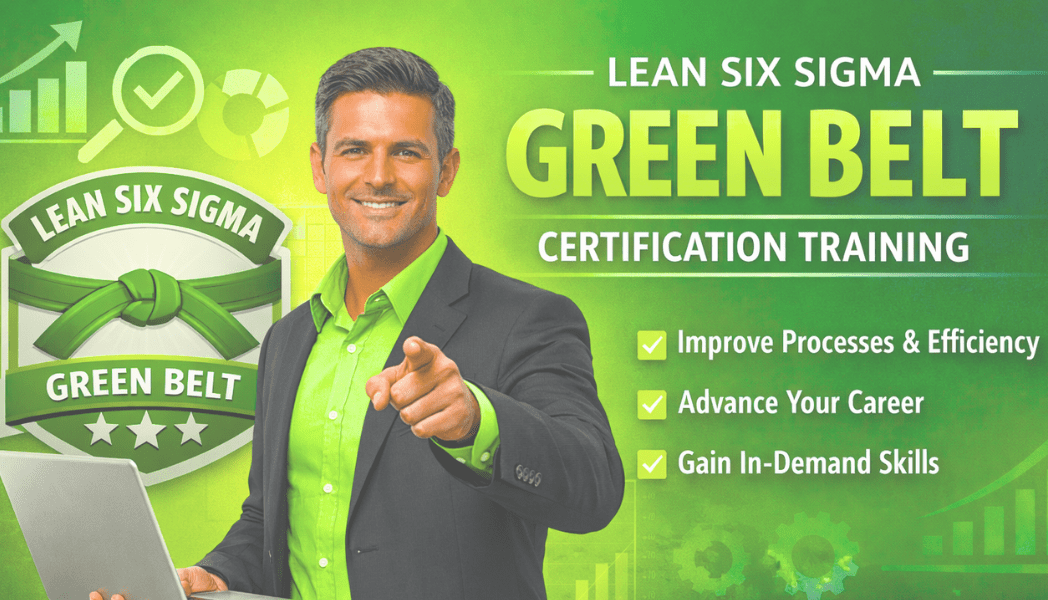
Six Sigma Green Belt
Who it’s for
- Mid-level professionals
- Project leads
- Managers handling process improvement alongside their main role
What you’ll learn
- Advanced DMAIC tools
- Statistical analysis
- Process mapping and optimization
- Risk and quality management
Career impact
- Leads small-to-medium improvement projects
- High demand across industries
- Strong ROI on certification
Keyword focus: Six Sigma Green Belt, Lean Six Sigma Green Belt certification, process optimization
Six Sigma Black Belt
Who it’s for
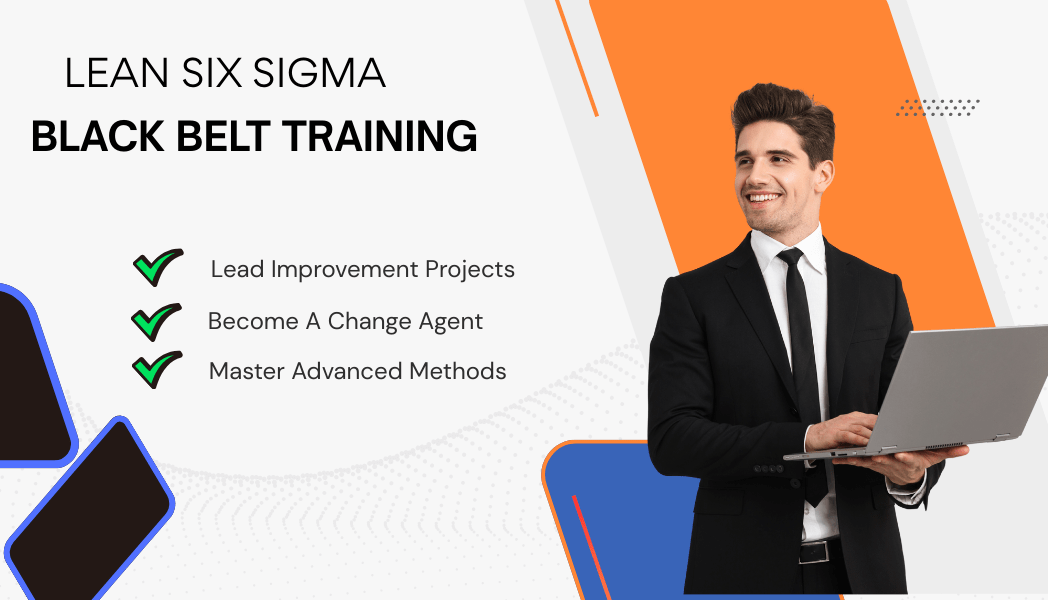
- Senior professionals
- Full-time improvement leaders
- Operations, quality, and transformation managers
What you’ll learn
- Advanced statistical methods
- Change management
- Cross-functional leadership
- Enterprise-level process improvement
Career impact
- Drives high-impact projects
- Significant salary uplift
- Strategic influence within organizations
Keyword focus: Six Sigma Black Belt certification, operational excellence, continuous improvement
Master Black Belt Certification Explained
Who it’s for
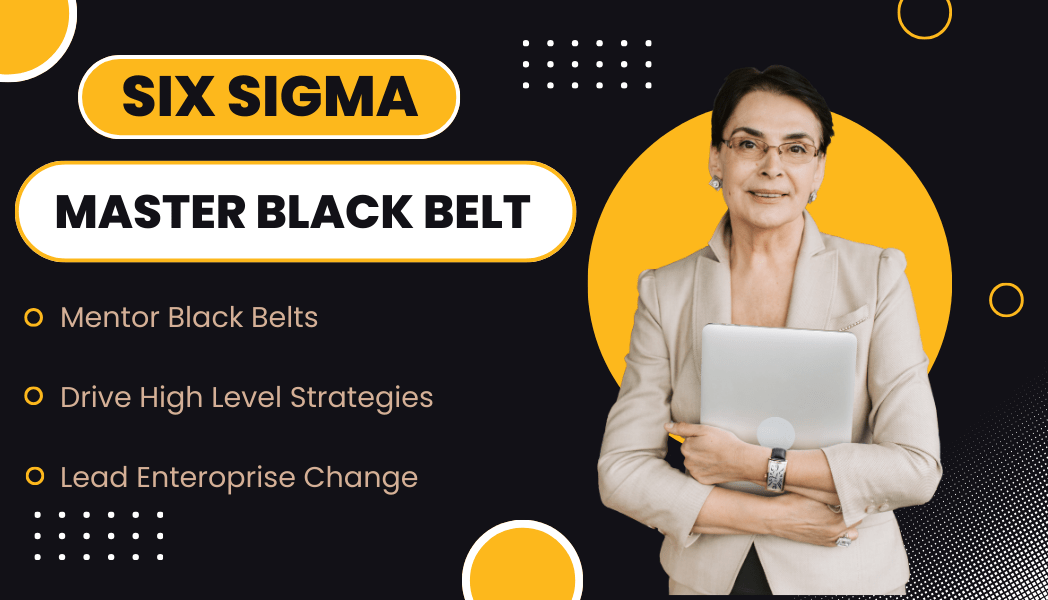
- Senior leaders
- Process excellence consultants
- Organizational transformation experts
What you’ll learn
- Enterprise deployment strategy
- Mentoring Green and Black Belts
- Governance and performance management
Career impact
- Thought leadership role
- Organization-wide influence
- Ideal for large enterprises and consulting roles
Keyword focus: Six Sigma Master Black Belt, enterprise process improvement, Six Sigma leadership
How to Choose the Right Six Sigma Belt
Ask yourself these questions:
- Experience level: Beginner, intermediate, or expert?
- Role: Contributor, project leader, or strategist?
- Time commitment: Part-time or full-time improvement role?
- Career goal: Operational efficiency, leadership, or consulting?
Quick guidance
- New to Six Sigma → White or Yellow Belt
- Working professionals → Green Belt
- Full-time improvement leaders → Black Belt
- Strategic experts → Master Black Belt
Six Sigma vs Lean Six Sigma
Many professionals opt for Lean Six Sigma certification, which combines:
- Six Sigma (defect reduction)
- Lean (waste elimination)
Lean Six Sigma certifications are especially valuable in Agile, PMP®, and operations-driven roles.
Career Benefits of Six Sigma Certification
- Increased employability
- Higher salary potential
- Global recognition
- Cross-industry applicability
- Strong alignment with PMP®, Agile, and operations roles
Final Thoughts
Choosing the right Six Sigma belt certification is a strategic career decision. The best belt is not the highest one—it’s the one that aligns with your current role, experience, and long-term goals.
👉 If you’re exploring Six Sigma or Lean Six Sigma training, structured programs designed for working professionals can help you gain practical skills, real-world project exposure, and globally recognized certification.