Introduction
If you want to make any career advancement (i.e., increase your top-dollar potential) or desire to work on someone else’s project after you led it and wish to continue to do so versus supporting it, getting a PMP Certification would help reach this goal.
Therefore, the well-respected credentials of the Project Manager (PMI) will provide you with very strong evidence of your ability to lead projects successfully due to your knowledge and experience on the project. This means you have all the qualifications needed to qualify for the PMI to give you the PMP Certificate.
In today’s highly competitive labor market, just having work experience may not be enough. Employers want to see proof. A PMP provides the necessary evidence.
A clear explanation will be provided regarding what is pmp certification i.e., the “Project Management Professional (PMP)” certification; who may benefit from having this certification; the cost associated with earning this certification; and an assessment of what salary and/or career progress may be possible for someone holding this certification.
What is PMP Certification?
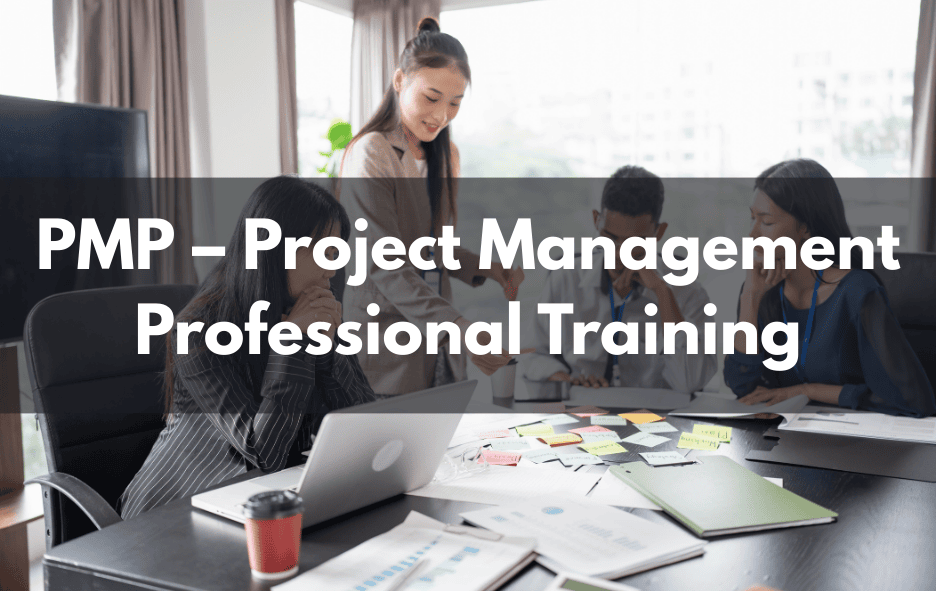
Let us know what is PMP Certification. An individual who has received a PMP certification shows that he/she possesses the skills and knowledge to achieve success as an effective PM (project manager) based on demonstrated experience in PM practice in virtually every sectors such as IT, construction, health care, finance, and manufacturing.
Another way to evaluate whether someone is able to manage projects from start to finish, and to demonstrate their ability to produce high-quality results (evidencing their skills as a project manager), is to have a PMP certification. This certification represents a professional credential, as opposed to being an entry-level credential that indicates that an individual is currently working as a project manager and likely has previously managed a project successfully.
Employers will have a fairly good understanding of the applicant’s skills based on viewing a PMP certification on the candidate’s resume.
- Planning and scheduling
- Budget management
- Risk control
- Stakeholder communication
- Agile and hybrid approaches
It’s like having a global stamp of approval on your project leadership skills.
What Does PMP Certification Validate?
PMP isn’t just about memorizing concepts. It validates practical, real-world skills.
Here’s what it really proves:
1. Leadership Skills
Projects don’t fail because of tools—they fail because of poor leadership. PMP confirms that you know how to:
- Lead cross-functional teams
- Resolve conflicts
- Motivate team members
- Communicate with stakeholders
As the Team Leader or Project Manager, when no one is leading the project, even the good players will not perform as they are expected to.
2. Technical Project Management
You’ll demonstrate knowledge of:
- Scope planning
- Schedule development
- Budget tracking
- Risk identification
- Quality management
These are the fundamentals that keep projects organized and under control.
3. Agile and Hybrid Understanding
An understanding of Agile and Hybrid is critical today as Agile and Hybrid project management methodologies are increasingly prevalent throughout project implementations. The Project Management Institute (PMI) has grown to be relevant in today’s environment by including traditional (Predictive) and agile approaches to project management.
Therefore, when one is asked, “What does PMP certification signify?”, The answer is simply that it signifies the ability to successfully lead a project in the actual project environment. PMP certification does not only signify an individual’s intellectual capacity or thought processes, but also signifies their capacity to lead an actual project through its life cycle.
Who Is PMP Certification For?
PMP isn’t only for senior executives. It’s for professionals who want to step up.
It’s ideal for:
- Project managers
- Team leads
- IT professionals
- Engineers
- Operations managers
- Business analysts
- Consultants
If you’re in a position where you will be managing tasks, coordinating people or managing deadlines; getting a PMP certification makes you more credible for what you’ve accomplished.
The following are reasons many people pursue PMP:
- For promotion/advancement opportunity(s)
- For changing companies
- To have more global opportunities
- To find themselves stuck in a mid-level role
Anyone seeking to move up into management positions should consider getting their PMP certification.
What is PMP Certification Eligibility Requirements
Before applying for PMP Certification, you have to meet PMI’s requirements to be eligible.
Eligibility requirements vary based on your level of education.
If You Have a Four-Year Degree:
- 36 months of project management experience
- 35 hours of project management education or training
If You Have a High School Diploma or Associate Degree:
- 60 months of project management experience
- 35 hours of project management education
A majority of individuals will complete 35 hours of project management training via their PMP courses.
However, you do NOT have to have the title of “project manager” or necessarily be involved in project management; if you have been responsible for completing tasks, managing budgets or coordinating deliverables, you most likely have the experience necessary to qualify.
PMP Exam Structure– Overview for Beginners
If you view the PMP Exam as daunting, don’t worry! Once you know the structure, you will start to view it as more attainable!
Here is what you should expect:
- 180 multiple-choice questions
- Duration: 230 minutes
- Questions are divided into 3 categories: scenario based, situational and a mix of both.
The exam focuses on three domains:
- People – Leadership and team management
- Process – Technical project management
- Business Environment – Aligning projects with strategy
It’s not about memorizing definitions. Many questions test how you would handle real project situations.
That’s why preparation is important.
Cost Breakdown for PMP Certification
Let’s discuss costs.
Costs associated with obtaining your PMP certification can vary based upon your test location and/or training provider; as such we’ve compiled below examples of the average total costs for certification in Project Management.
| Item | Estimated Cost |
| PMI Membership (optional) | $139 |
| PMP Exam Fee (Member) | $405 |
| PMP Exam Fee (Non-member) | $555 |
| Training Course | $99–$1,699 |
Overall, you can expect to pay a range of between $800 – $2000 dollars when pursuing the PMP certification.
At first glance this may seem like a lot of money; however, considering that many professionals see significant increases in their salaries (20-30%) shortly after receiving the PMP certification, then it actually pays for itself very quickly!
What is PMP Certification Salary Expectations
There are many different reasons for pursuing a Project Management Professional (PMP) certification, but one of the main reasons is for the potential increase in salary once you have acquired the PMP credential.
Globally, there is a significant increase in pay for PMP certified professionals compared to non-PMP certified professionals. The amount of difference in salary may vary from country-to-country, but typically PMP certified individuals make between 15-25 percent higher in salary than other project managers!
For example:
- Project Managers with PMP often move into senior roles
- Program and portfolio management roles become more accessible
- Leadership positions open up faster
In addition to better pay, PMP certification contributes to your long-term job security and demand in the workforce.
The value of obtaining a PMP certificate goes far beyond financial gain.
Benefits of PMP Certification
Prime Credentials; The following are five benefits for earning those credentials;
- Global Consideration: The PMP Certification is recognized in every country and in every industry.
- Advanced Positioning: When you have the PMP Certificate, you will have greater access to higher-level project positions.
- Increased Pay: As a result of having this credential you can expect higher pay.
- Greater Competency in the Work Force: Being a credential holder will enhance your resume and/or LinkedIn account.
- Greater self-confidence: You will have much more self-confidence in your ability to work on a project.
In conclusion, the PMP certification increases both your professional skill set and your professional image.
How you can get ready for the PMP Exam
Prep can be simple or difficult, for example include:
- Obtain your 35 contact hours from a recognized training provider.
- Use PMP Prep Books and Online Help.
- Take 3 to 4 mock tests.
- Focus on understanding each scenario rather than memorising the answer.
Many people get ready for the PMP exam by studying for 2 to 3 months whilst working full-time. Preparing consistently is better then cramming.
Will PMP Certification be Worth Having in 2026?
Yes—particularly if you are committed to advancing your career for many years.
Globally, companies are more frequently using project-oriented approaches to their operations. As they grow, they need more formalized project-based leadership. The PMP is still a valuable certificate that many corporations and project management organizations trust.
If you want:
- Better job security
- Leadership roles
- International career options
- Higher earning potential
PMP is a strong investment.
Step-by-Step Process to Get PMP Certified
- Check eligibility requirements.
- Complete 35 hours of training.
- Submit your PMP application on PMI’s website.
- Schedule your exam after approval.
- Pass the exam.
- Maintain certification by earning PDUs every three years.
Simple process—but it requires commitment.
Final Thoughts About PMP Certification
Have You Thought About Getting A PMP Certification?
Having a PMP Certificate proves your ability as a project manager by proving you have skills to manage people and projects to achieve the project goals.
Having a PMP Certification is not just a ticket to greater income, but also improves your credibility as a project manager.
PMP Certification is much more than just another piece of paper; it is a long-term investment into your future!